Birmingham trial aims to manage arthritis as a side effect of cancer treatment

A UK-first trial led by Birmingham researchers aims to improve treatment of arthritis in people who have developed the condition as a result of cancer immunotherapy.

The REmission induction of Arthritis caused by Cancer ImmunoTherapy (REACT) trial, led by the University of Birmingham and delivered through the National Institute for Health and Care Research (NIHR) Birmingham Biomedical Research Centre (BRC), is one of the first global studies of its kind, testing whether powerful arthritis treatment is suitable for patients receiving ongoing cancer treatment.

REACT will recruit 70 patients across the country, and will investigate whether initial treatment with anti-TNF (anti-Tumour Necrosis Factor) therapy in cancer patients receiving a type of immunotherapy called an immune checkpoint inhibitor (ICI), works to better control this type of arthritis – while not negatively impacting their cancer therapy.

Professor Benjamin Fisher, REACT’s Chief Investigator, Professor in Rheumatology at BHP founder member the University of Birmingham, and Lead for the Birmingham BRC’s Inflammatory Arthritis research theme, said: “Immune checkpoint inhibitors have revolutionised cancer treatment, but they come with the risk of severe inflammatory side effects, including arthritis.

“The REACT trial aims to provide critical insights into the most effective initial treatments for patients suffering from this debilitating condition, potentially improving their quality of life significantly without affecting their cancer treatment.”

Immune checkpoint inhibitors are drugs that block the immune system’s inbuilt ‘off’ signals to help it fight cancer. While they are highly effective in treating cancer, they can also cause severe inflammatory side effects, including arthritis – which affects at least 5% of treated cancer patients and significantly impacts quality of life. It may persist even after ICI is stopped and may require treatment with drugs to suppress the immune system.

The typical treatment approach for arthritis that has resulted from ICI treatment is to start with steroid tablets, then gradually try other treatments if these fail. Anti-TNF is currently often the last treatment used.

TNF inhibitors have good evidence for other types of arthritis but there is no evidence for patients with ICI-induced arthritis to safely guide initial treatment strategy, so this trial will be the first to test the effects of immune suppressing drugs on cancer outcomes in response to ICI.

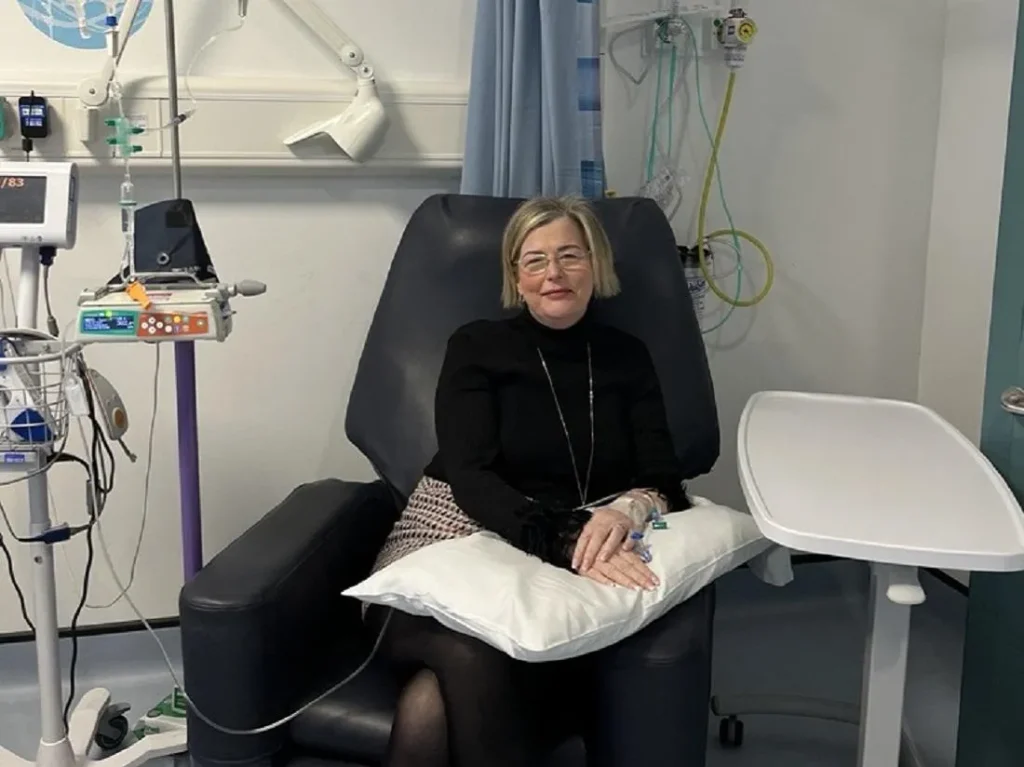
🗞️ BBC Midlands Today spoke to Becky Smith, who has received the new treatment as part of the clinical trial.

Becky (pictured above), 53 and from Solihull, was diagnosed with eye cancer in early 2020. Within weeks, she underwent surgery to remove her eye and adapted quickly to life with an artificial eye. For several years, she remained cancer-free – until the disease spread to her liver.

“I started immunotherapy last year, and while it offered hope, the side effects were brutal,” Rebecca explains. “I developed colitis, meningitis, and severe arthritis that attacked 90% of my joints. I couldn’t climb stairs, get dressed, or even get out of bed without help. It was devastating.”

These side effects forced Rebecca to take a year off work. “I love my job, but I simply couldn’t manage. Every cycle of treatment left me in hospital with side effects. It was a vicious circle.”

Standard steroid therapy offered little relief and clashed with her ongoing immunotherapy. That’s when her consultant suggested the REACT trial.

“I jumped at the chance. I thought, if it doesn’t work, at least I’ve tried – and maybe I’ll help others,” she says.

Rebecca was randomly assigned to receive adalimumab injections every two weeks. The impact was life-changing: “It’s been a godsend. My pain has eased, I can walk, I’ve returned to work, I can even wear heels again! My quality of life is back to what it was before.”

She still experiences mild aches before her next dose, but the improvement has been dramatic. “I’ve gone from being housebound to going on holiday and making memories with my family. Trials like this give people hope – and that’s priceless. Cancer and its side effects aren’t the end of the world. If you get the chance to join a trial, take it. It might change your life – it’s certainly changed mine.”

To compare the safety and effectiveness of these treatment strategies, the trial aims to recruit 70 ICI-induced arthritis patients across multiple centres in the UK. Participants will either receive current standard of care (initial steroid treatment in the form of prednisolone) or the anti-TNF drug adalimumab.

Treatments will be gradually reduced once the arthritis is controlled, or further treatment given if needed. The research team will compare the proportion of patients in each treatment group who have no arthritis and no steroid use 6 months after the start of treatment.

Researchers will also compare how fast the arthritis is controlled, and will continue to follow patients until one year to compare arthritis activity, quality of life, ability to function, total amount of immunosuppressive drugs received over time, number of ICI doses missed, new immune-related side effects, cancer outcomes and survival.

The clinical trial has received funding of more than £1 million from NIHR, supported by the NIHR UK Musculoskeletal Translational Research Collaboration and the NIHR/Wellcome Trust Birmingham Clinical Research Facility. The trial will run until August 2028 at the University’s Birmingham Cancer Research UK Clinical Trials Unit (CRCTU), which is globally renowned for its academic excellence and enables innovative research with the potential to change lives, in both cancer and non-cancer fields like inflammatory diseases.

Improving cancer treatment recovery in older people: new study

Researchers at BHP founder-members University Hospitals Birmingham (UHB) and the University of Birmingham, in collaboration with Kings College London (KCL), are leading a new study which aims to better understand the factors that influence how well older people recover from cancer treatment, as well as finding ways to keep the body strong.

While age is a known risk factor for developing cancer, in some people, treatments – including chemotherapy, immunotherapy, surgery, and radiation therapy – can trigger processes that resemble ageing.

The Resilience Breakthroughs in Older people Undergoing cancer proceDures (REBOUND) study is examining how key ‘hallmarks’ of ageing – the biological processes that naturally occur as we get older – are affected following treatment for bowel cancer in people aged 65 and over.

By understanding how the body responds to cancer treatment, researchers aim to develop new interventions that could prevent or reduce ageing-related changes and improve the number of years patients then spend in good health. The ultimate goal is to help older people with cancer remain active and continue doing the things that matter most to them.

Researchers will be analysing DNA for age-related changes; examining gut bacteria from stool samples; and assessing changes in blood and fat cells, with samples being collected at multiple timepoints before, during, and after surgery. These biological findings will be compared with tests of memory, thinking, strength, and muscle function, alongside information from medical records.

The study aims to recruit 172 participants aged 50 years and older who are scheduled to undergo bowel cancer surgery at UHB, Guy’s and St Thomas’ NHS Foundation Trust, or King’s College Hospital NHS Foundation Trust.

At UHB, recruitment is taking place across two of its hospitals: Queen Elizabeth Hospital Birmingham (QEHB) and Solihull Hospital. Study visits are undertaken flexibly in clinical environments, at the NIHR/Wellcome Trust Birmingham Clinical Research Facility, or within participants’ own homes, depending on works best for each individual.

The study opened to recruitment in Autumn 2024, and to date, 58 patients have been enrolled.

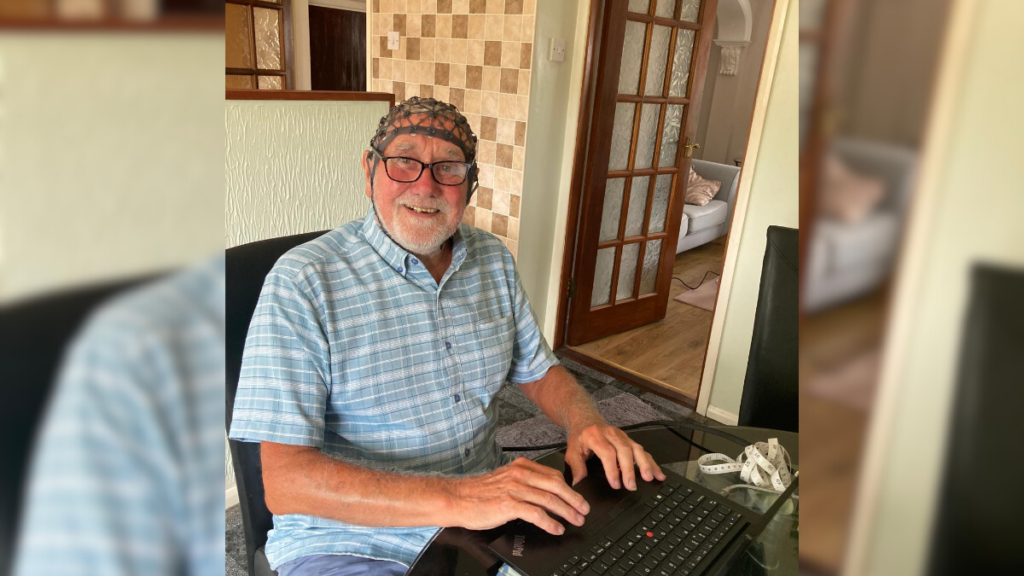
Ken Cox, 82 from Tamworth, who took part in the study last year, said: “I was diagnosed with bowel cancer in January 2025 and had surgery at Solihull Hospital in March. I heard about the study at the time of my diagnosis and wanted to take part as a way of giving something back.

“The team visited me at home to carry out the tests, which made things much easier. Everyone was absolutely wonderful and easy to talk to. I’d like to think this research will help others in the future, and I would encourage people to take up the opportunity if they can.”

Ken Cox, pictured taking part in the REBOUND study during a home visit

Professor Thomas Jackson, Consultant in Geriatric Medicine and General Internal Medicine at UHB and Professor in Geriatric Medicine at the University of Birmingham said: “This is really important work that couldn’t be done without the support of patients agreeing to be in the study. We want to understand how the biology of ageing changes when older people have significant events, such as major surgery, and why some people recover well, and others don’t. With this understanding, we can identify ways of improving recovery in everyone and maximising the benefits of cancer treatment.”

The project is a collaborative effort bringing together clinicians specialising in the care of older people, surgeons, and scientists with expertise in ageing and complex data analysis. It is supported by the Dynamic Resilience programme, funded by Wellcome Leap and the Temasek Trust.

Pancreatic cancer cell ‘atlas’ uncovers why many promising treatments fail

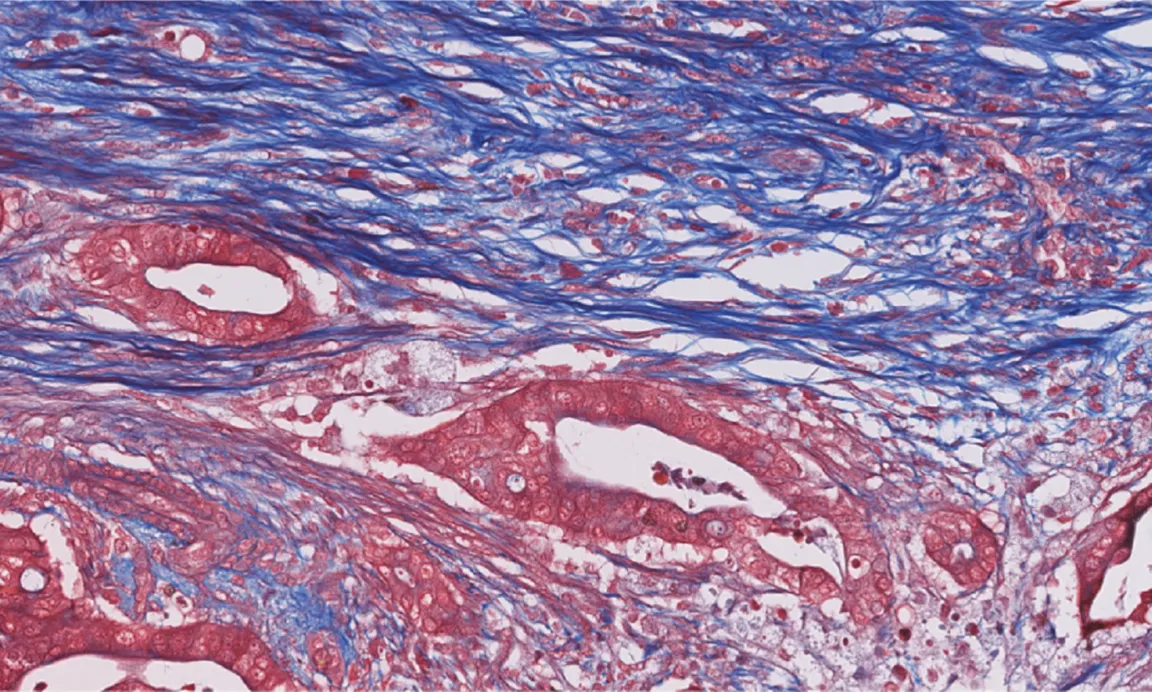
The most detailed atlas of tumour cells from the deadliest form of pancreatic cancer has been developed by an international team of researchers, highlighting how tumour cells change their behaviour depending on their surroundings – and how this leads many promising treatments to fail in standard lab tests.

The research was a collaborative effort led by the BHP founders-members the University of Birmingham and University Hospitals Birmingham NHS Foundation Trust, working with pharmaceutical company Bristol Myers Squibb. Published in Cell Reports, their findings describe the most detailed spatial map to date of pancreatic ductal adenocarcinoma (PDAC).

In the study, tumour samples from 39 untreated pancreatic cancer patients were analysed using cutting-edge spatial transcriptomics technologies, allowing researchers to see which genes are active in cells and exactly where those cells are located in the tumour. This approach generated a massive dataset – comprising hundreds of thousands of spatial measurements and more than half a million individual cells – creating a comprehensive ‘atlas’ of pancreatic cancer tissue.

Pancreatic cancer remains one of the hardest cancers to treat, with few effective therapies and a five-year survival rate in the single digits. A major reason is the disease’s complexity: cancer cells are embedded in a dense, hostile tissue environment filled with scar-like material, low oxygen, and supportive cells that help tumours survive. 

Dr Shivan Sivakumar, co-senior author from the University of Birmingham and consultant medical oncologist at University Hospitals Birmingham said: “This spatial atlas is expected to serve as a foundational resource for the research community, and may accelerate the development of treatments for a disease that has long resisted progress.

“By integrating spatial biology with functional genetic screening, we have created a roadmap for discovering therapies that target pancreatic cancer more effectively – especially combination treatments designed to disrupt both cancer cells and the environments that protect them.

“The findings suggest that environmental factors play a much greater role in tumour cell development in the pancreas, and identifies new intermediate tumour subtypes and highly proliferative cancer cells which together provide a more vivid picture of this deadly cancer.”

Dr. Konstantinos Mavrakis, Executive Director and Head of Discovery Biosciences Oncology at Bristol Myers Squibb and co-senior author of the publication emphasised the importance of scientific collaborations: “This study underscores how important it is to use real-world patient data to better understand the underlying causal human biology of a specific cancer type such as pancreatic cancer.”

Key findings:

  • Cancer cell identity depends on location. The study confirmed known pancreatic cancer subtypes, commonly called classical and basal-like, but showed that these identities are strongly shaped by the tumour’s local environment. In particular, aggressive basal-like cancer cells were consistently found in regions with low oxygen and dense fibrotic tissue.
  • A hidden cancer state comes into focus. Researchers discovered that an ‘intermediate’ tumour subtype is not just a mix of known states, but a distinct cancer cell identity. This finding clarifies long-standing confusion in pancreatic cancer classification.
  • Tumours contain a small but powerful growth engine. A previously underappreciated group of highly proliferative cancer cells was identified, marked by intense cell-division activity. Although relatively rare, these cells may disproportionately drive tumour growth.
  • Context hides critical vulnerabilities. The team used CRISPR gene-editing screens in cancer cells grown under realistic conditions such as low oxygen or inside living tumours. This revealed genetic weaknesses that are invisible in standard laboratory cultures, and may explain why many drug targets that look promising in the lab fail in patients.
  • Common lab models miss key disease features. Widely used mouse and cell-line models captured some aspects of human pancreatic cancer but often failed to reproduce the most aggressive tumour states and their surrounding environments. This highlights the need for better preclinical testing strategies.

Trial offers new hope to patients with rare skin cancer

Researchers at BHP founder-members University Hospitals Birmingham have contributed to new findings showing that patients with Cutaneous (skin) T-cell Lymphoma (CTCL) experienced improved overall survival when treated with mogamulizumab, known by its brand name POTELIGEO.

CTCL is a rare type of cancer that begins in the white blood cells and affects the skin, causing rashes and slightly raised or scaly round patches. The most common types are mycosis fungoides and Sézary syndrome, with around 150 people diagnosed in the UK each year.

Individual’s experiences with CTCL can vary wildly – many people experience only a mild form that is not life-threatening and can be managed for years, while a smaller number develop a more serious form. Treatments either target the skin directly, using creams, light therapy, or radiotherapy, or are given as tablets or injections that circulate in the blood and work throughout the body.

POTELIGEO (mogamulizumab) is a prescription medicine given by injection into a vein and is used to treat mycosis fungoides or Sézary syndrome in adults whose disease has returned or who have not responded to at least one other treatment (oral or injectable).

Now in its tenth year, the PROCLIPI Study is the largest international study of its kind, involving 2,547 patients across 19 countries. It collects information on tests, scans, treatments, quality of life, and survival from CTCL patients, with the aim of developing a tool (known as a prognostic index) to predict outcomes for people with the disease.

The latest research confirmed that patients with advanced-stage disease treated with POTELIGEO experienced improved overall survival, with a median overall survival of 64 months compared to 54 months for patients who did not receive the treatment.

Professor Julia Scarisbrick, Consultant Dermatologist at UHB and Chief Investigator, said: “The PROCLIPI Study demonstrates the power of global collaboration in rare diseases. By bringing together data from across the world, we can generate insights that simply wouldn’t be possible in isolation.

“We are proud to coordinate this initiative here in Birmingham in partnership with Prof Kim at Stanford University, California, as we’re working to build rigorous scientific evidence while giving patients and their families a better understanding of what long-term survival looks like.”

Alexandra Mars, a 51-year-old patient at UHB’s Queen Elizabeth Hospital took part in the study, and said: “I have had tumour mycosis fungoides for over 10 years. I was most recently treated with mogamulizumab for two years and had no significant side effects. It appears to have put my disease to sleep, and I have not been on any medication since February. It is amazing to finally be able to have a break from treatment, which is so tiring, and not have to think about this disease.”

Due to the rarity of CTCL and its wide variation in presentation and progression, enrolling patients in clinical trials can be challenging. Despite these difficulties, growing evidence is helping doctors understand which treatments may be most beneficial.

New vaccine trial for head and neck cancer patients

Patients in Birmingham who have advanced head and neck cancers may be eligible to take part in a new clinical trial of a potential cancer vaccine, supported by the NHS Cancer Vaccine Launch Pad (CVLP).

Queen Elizabeth Hospital Birmingham, part of BHP founder-members University Hospitals Birmingham NHS Foundation Trust (UHB), is one of 15 sites across the country aiming to recruit more than 100 patients over the next year.

The investigational cancer vaccine in this latest trial on the platform uses mRNA technology to help the immune system recognise and kill cancer cells which express human papillomavirus (HPV) proteins.

The first head and neck cancer patients in England have received the investigational mRNA cancer vaccine in the clinical trial, known as AHEAD-MERIT (BNT113-01), with more patients to soon be enrolled at their nearest NHS hospital. 

More than 11,000 new head and neck cancer cases are diagnosed in England every year, with cancers typically developing in the mouth, throat or voice box.  

Despite advances in care for patients with head and neck cancer, the advanced form of the disease is difficult to treat and has high rates of recurrence, with two-year survival rates at under 50%.

The investigational cancer vaccine is designed to encode two proteins that are frequently found in head and neck squamous cell cancers associated with human papillomavirus (HPV-16). This is the most common type of head and neck cancer, accounting for 95% of these types of cancers, and the vaccine aims to train the immune system to fight the cancer.

NHS England is partnering with life sciences company BioNTech to help identify potentially eligible patients to refer to NHS hospitals running the clinical trial.

Dr Paul Sanghera, Consultant Oncologist and Principal Investigator of the trial at Queen Elizabeth Hospital Birmingham, said: “This clinical trial marks an important step forward in the search for better treatments for advanced head and neck cancers, which remain a significant challenge in oncology.

“These cancers are notoriously difficult to treat, and access to this investigational vaccine could offer patients a potential new option in their treatment journey. While we are still in the early stages, the hope is that this trial will pave the way for improved outcomes for those living with these challenging conditions.”

Matthew Metcalfe, Hospital Executive Director at Queen Elizabeth Hospital Birmingham, said: “We are incredibly proud to be one of the 15 sites across the country taking part in this important clinical trial. It reflects our ongoing commitment to driving forward research aimed at improving outcomes for patients in Birmingham and beyond, offering new hope to those facing these challenging diagnoses.”

Dr Iain Foulkes, Executive Director of Research and Innovation at Cancer Research UK, said: “It’s great to see more clinical trials of vaccines for head and neck cancer supported by the Cancer Research UK-funded Southampton Clinical Trials Unit.

“Research into personalised cancer treatments is vital. There are over 200 different types of cancer and it’s unlikely there will ever be a single cure that works for everyone. That’s why it’s vital that we support a wide range of research, so that more people can live longer, better lives, free from the fear of cancer.”

More cancer vaccines news from across BHP

New AI tools set to advance early cancer detection and prevention

Birmingham researchers are to play a role in Cancer Research UK’s recently announced £10 million AI detection programme, jointly supported by the National Institute for Health and Care Research (NIHR) and the Engineering and Physical Sciences Research Council (EPSRC) and involving 18 institutions including BHP founder-member the University of Birmingham.

Over the next five years, the Cancer Data-Driven Detection programme will harness vast quantities of data, link datasets and develop new tools to predict cancer risk – ultimately increasing the number of people diagnosed with cancer at its earliest stages.

The programme aims to access and link data from different sources – including health records, genomics, family history, demographics, and behavioural data – to develop advanced statistical models that help scientists accurately predict who is most likely to get cancer. Alongside this, the programme will develop powerful new tools which use AI to analyse the data and calculate an individual’s risk of cancer throughout their lifetime.

Researchers from University of Birmingham will take on specific roles in the programme, alongside approximately 40 others working together collaboratively. Professor Sudha Sundar, gynaecological cancer surgeon and a clinical academic in the University’s Department of Cancer and Genomic Sciences, is advising as a clinical practitioner in the multi-cancer risk prediction area of the work. Dr Ameeta Retzer from the Centre for Evidence and Implementation Science will lead on the cross-cutting Equity, Diversity and Inclusion theme, drawing on her expertise in health inequalities and research equity.

Dr Ameeta Retzer said: “Across the whole programme we will work to embed equality, diversity and inclusion since we know that cancer doesn’t affect everyone equally. It is vital that we ensure our research will benefit everyone, across all communities, equitably and that’s why I look forward to ensuring this strand of work has prominence in all areas of the programme.”

Over the next five years, the funding will build the infrastructure required to access and link these datasets, train new data scientists, create the algorithms behind the risk models and evaluate the algorithms and AI tools to ensure that they are giving accurate and clinically useful information about cancer risk.

The models generated from this research could be used to help people at higher risk of cancer in different ways. For example, the NHS could offer more frequent cancer screening sessions or screening at a younger age to those at higher risk, whilst those at lower risk could be spared unnecessary tests. People identified as higher risk could also be sent for cancer testing faster when they go to their GP with possible cancer signs or symptoms. Individuals at higher risk could also access different ways to prevent cancer.

Professor Sudha Sundar, whose clinical practice is based at BHP member Sandwell and West Birmingham NHS Trust, commented: “With cancer cases on the rise, it is essential that we work to identify and diagnose cancers earlier so that patients can begin treatments soon, which in most cancers vastly improves their quality of life and chances of survival. Screening is one way of identifying cancer sooners. Multi-cancer earlier detection tests represent an exciting progression in the scope of cancer screening programmes and this is part of the Cancer Data-Driven Detection programme that is exciting to explore further.”

The scientific programme will be guided by partnerships with cancer patients, the public, clinical experts and industry, while addressing ethical and legal considerations to ensure that the models and tools work well in practice.

Professor Antonis Antoniou, Director of the Cancer Data Driven Detection programme and Professor of Cancer Risk Prediction at the University of Cambridge, said: “Finding people at the highest risk of developing cancer, including those with vague symptoms, is a major challenge. The UK’s strengths in population-scale data resources, combined with advanced analytical tools like AI, offer tremendous opportunities to link disparate datasets and uncover clues that could lead to earlier detection, diagnosis, and prevention of more cancers.

“The Cancer Data Driven Detection programme will build the partnerships and infrastructure needed to make data-driven cancer early detection, diagnosis and prevention a routine part of frontline healthcare. Ultimately, it could inform public health policy and empower individuals and their healthcare providers to make shared decisions. By understanding individual cancer risks, people can take proactive steps to stop cancer before it gets worse or even begins in the first place.”

Earlier diagnosis of cancer saves lives. Yet according to analysis of NHS figures by Cancer Research UK, only 54.4% of cancers in England are diagnosed at stages one and two, where treatment is more likely to be successful. NHS England has set a target to diagnose 75% of cancers at stages one and two by 2028, and this will only be achieved with research and embracing new technologies to catch cancer earlier.

Professor Lucy Chappell, Chief Scientific Adviser at the Department of Health and Social Care (DHSC) and Chief Executive Officer of the NIHR, commented: “Detecting and diagnosing cancer earlier is key to improved survival and quality of life for patients. By leveraging AI to enable healthcare professionals to identify people at a greater risk of cancer, this initiative could improve the way patients are screened and diagnosed. This programme’s AI-driven insights could lead to more effective treatment and improved survival, helping patients to live longer, healthier lives.”

The Cancer Data Driven Detection programme is jointly supported by Cancer Research UK, the National Institute for Health & Care Research, the Engineering & Physical Sciences Research Council, Health Data Research UK, and Administrative Data Research UK.

You might also be interested in: