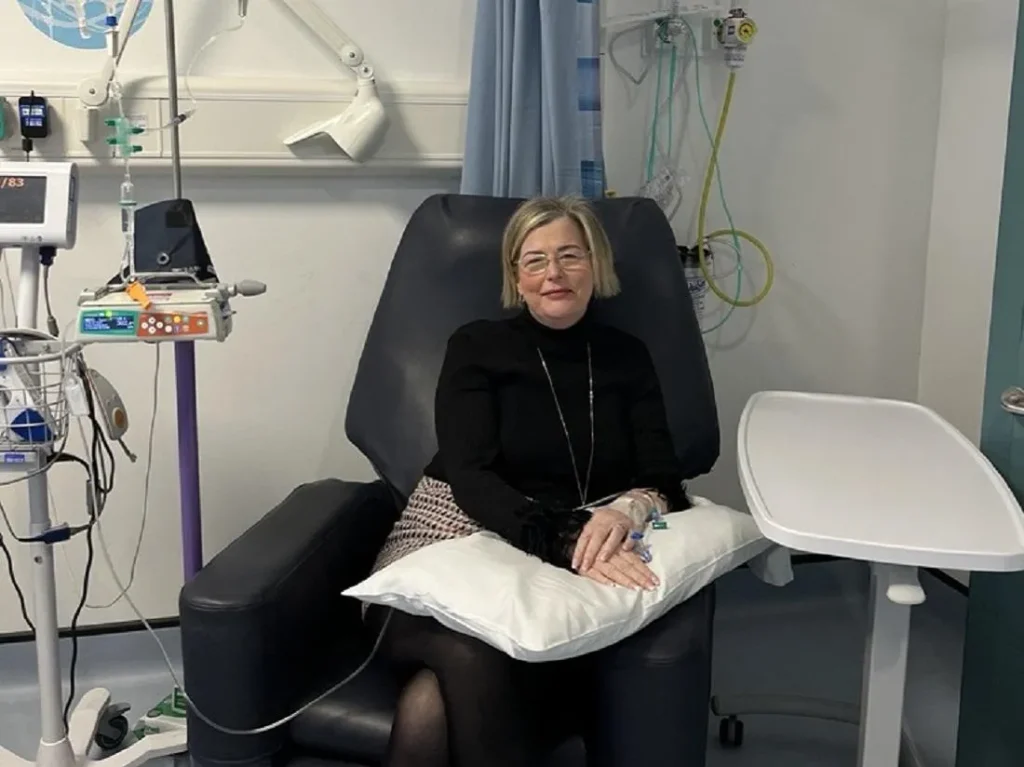
BHP Clinician scientist explores early nutritional support for emergency abdominal surgery patients

A major new UK-wide clinical trial led by BHP Clinician Scientist Matthew Lee will investigate whether early nutritional support can improve recovery and reduce complications in patients undergoing emergency abdominal surgery.

The trial is supported by the National Institute for Health Research (NIHR) Health Technology Assessment Programme, and will be one of the first and largest nutritional emergency surgery trials of its kind.

Called TONIC (Timing Of Nutritional Intervention after emergency laparotomy/laparoscopy), the trial will evaluate whether providing early Parenteral Nutrition (PN), or nutritional supplementation delivered directly into the bloodstream, within the first 48 hours after surgery can lead to better outcomes than current standard care.

Each year, approximately 21,000 patients in England and Wales undergo emergency abdominal operations such as laparotomy to treat life‑threatening conditions. Although survival rates have improved over the past decade, national data show that 90‑day mortality has plateaued at around 9.6% since 2021, highlighting the need for innovative approaches to support recovery.

Many patients struggle to eat in the days following major abdominal surgery, putting them at significant risk of malnutrition, which can slow wound healing, increase infection risk, and prolong hospital stay.

Evidence from critical care settings suggests that tailored early nutritional support can reduce complications and improve survival, but there is currently limited research on its benefits specifically for emergency surgical patients. Existing guidelines acknowledge the potential value of early intervention yet stop short of recommending a clear approach for this high‑risk group.

Chief Investigator Mr Matthew Lee, BHP Clinician Scientist and Honorary Consultant Colorectal Surgeon at the University of Birmingham, said: “Emergency bowel surgery is one of the highest-risk operations performed in the NHS. Even when the operation itself is successful, many patients struggle to recover because their bodies are under extreme stress and they are unable to eat for several days.

Hospitals currently manage this very differently, with some starting nutritional support early and others waiting. We simply do not know which approach is safest. TONIC is designed to answer that question. By understanding when to provide nutritional support, we hope to reduce complications, help patients recover faster and get home sooner after serious emergency illness.”

TONIC is a multi‑centre, two‑arm, randomised controlled trial involving 25 NHS hospitals across the UK. Neither emergency surgery trials nor nutrition trials in surgery are particularly common, making TONIC the first major trial of its kind.

A total of 898 adult patients undergoing National Emergency Laparotomy Audit (NELA)-eligible urgent or emergency laparotomy or laparoscopy will be recruited. Participants will be randomly allocated to one of two groups:

  • Early Parenteral Nutrition (Intervention): PN delivered within 48 hours of surgery
  • Standard Care (Control): Usual nutritional management, which may include oral supplements, nasoenteric feeding, or later PN (after 5 days unless clinically required)

The study’s primary outcome is the rate and severity of complications up to hospital discharge. Secondary outcomes will assess:

  • Complications at 30 and 90 days
  • Infectious complications such as surgical site infection and pneumonia
  • Function and quality of life
  • Readmission rates
  • Cost‑effectiveness from an NHS and societal perspective
  • Patient‑reported outcomes, including recovery measures and satisfaction

An internal pilot across six sites will run for the first six months to assess feasibility, recruitment rates, intervention delivery, and data completeness before the full trial rollout. The trial will be delivered with the support of the Birmingham Clinical Trials Unit.

Emergency abdominal surgery places a considerable burden on patients, families, and healthcare services. By determining whether early nutrition improves outcomes and delivers value for the NHS, TONIC has the potential to reshape national guidelines and enhance recovery pathways for thousands of patients each year.

NIHR funds life-saving treatments and faster diagnosis at BWC

Funding of £1.5m has been awarded to BHP founder-member Birmingham Women’s and Children’s NHS Foundation Trust – enabling quicker access to life-saving treatments and faster diagnosis of rare and infectious diseases. 

This National Institute for Health and Care Research (NIHR) funding boost will be used for two crucial initiatives: building a specialised Aseptic Pharmacy Unit for clinical trials, which has been designed to prepare medicines which must be used quickly; and to purchase a Nanopore genetics sequencer. This equipment can read much longer stretches of genetic code than before, which speeds up and improves diagnosis and testing of new treatments.

Professor Jeremy Kirk, Director of Research and Development at the Trust, said: “This is a true game changer in the world of research and will give our patients access to more clinical trials. 

“The Trust is nationally recognised for its contribution to genetics, and collaborative research working with partners across the region and beyond. 

“This funding will allow our teams to enhance current genetic testing (whole genome sequencing) by reading longer sections of the DNA that makes up the genome, moving from so-called short to long-read technologies. This shift will allow detection of genetic variants that would otherwise remain undetected, leading to faster diagnoses and earlier access to targeted treatments for our patients.” 

The equipment will also increase the number of trials delivered in the area in partnership with commercial sponsors such as pharmaceutical companies. 

The Trust is host to the Central and North West Midlands Commercial Research Delivery Centre (CRDC). This consists of a network of hospitals, community and GP sites which are paired with commercial partners to host clinical trials leading to faster set up.  

Jeremy added: “Expanding the number of patients eligible for clinical trials through rapid analysis of their entire genetic code, and improved pharmacy services will also increase our opportunities to collaborate with commercial partners. This includes the development of innovative treatments such as cell and gene therapies including editing for rare diseases and cancers, and the delivery of new, pioneering treatments to those who need them most.” 

Birmingham anti-cancer project boosted by SPARK The Midlands

A cross-BHP team from the Royal Orthopaedic Hospital NHS Foundation Trust (ROH) and Aston University has won a place on the SPARK The Midlands programme to help further the development of its minimally-invasive, anti-cancer and bone regenerative injectable paste, which uses the cancer-killing properties of gallium.

SPARK The Midlands provides specialist technical and academic support to advance healthcare research discoveries in the region from the bench to bedside.

The team will use the SPARK programme to secure a clear pathway for the cancer-killing paste to be adopted in clinics and hospitals. If proved effective through clinical trials, the paste – a gallium-doped bioglass – could be used to treat patients with primary and metastatic bone cancer.  

Dr Lucas Souza, Research Laboratory Manager at the ROH, said: “Where the global success rate for new ideas making it to clinical trials is less than 5%, SPARK has recorded a project success rate of 62%. Thanks to this programme, the ROH will have the support to develop a regional pipeline for the translation of ideas for orthopaedic and bone cancer applications to NHS-approved medical use.”

World class cancer care needs world class cancer research, so support programmes like SPARK are essential in steering NHS-led research through clinical trials and into patient care. 

SPARK is a collaboration between Aston University, the West Midlands Health Tech Innovation Accelerator (WMHTIA) and Forging Ahead. The programme originated at Stanford University in California and has proved hugely impactful in improving the success of innovations making their way to clinical trials and then clinical practice.

🔗 Learn more about SPARK

📸 ROH’s Mr Jonathan Stevenson, Orthopaedic Oncology and Arthroplasty Consultant, is pictured above with Dr Lucas Souza, Research Laboratory Manager

Birmingham trial aims to manage arthritis as a side effect of cancer treatment

A UK-first trial led by Birmingham researchers aims to improve treatment of arthritis in people who have developed the condition as a result of cancer immunotherapy.

The REmission induction of Arthritis caused by Cancer ImmunoTherapy (REACT) trial, led by the University of Birmingham and delivered through the National Institute for Health and Care Research (NIHR) Birmingham Biomedical Research Centre (BRC), is one of the first global studies of its kind, testing whether powerful arthritis treatment is suitable for patients receiving ongoing cancer treatment.

REACT will recruit 70 patients across the country, and will investigate whether initial treatment with anti-TNF (anti-Tumour Necrosis Factor) therapy in cancer patients receiving a type of immunotherapy called an immune checkpoint inhibitor (ICI), works to better control this type of arthritis – while not negatively impacting their cancer therapy.

Professor Benjamin Fisher, REACT’s Chief Investigator, Professor in Rheumatology at BHP founder member the University of Birmingham, and Lead for the Birmingham BRC’s Inflammatory Arthritis research theme, said: “Immune checkpoint inhibitors have revolutionised cancer treatment, but they come with the risk of severe inflammatory side effects, including arthritis.

“The REACT trial aims to provide critical insights into the most effective initial treatments for patients suffering from this debilitating condition, potentially improving their quality of life significantly without affecting their cancer treatment.”

Immune checkpoint inhibitors are drugs that block the immune system’s inbuilt ‘off’ signals to help it fight cancer. While they are highly effective in treating cancer, they can also cause severe inflammatory side effects, including arthritis – which affects at least 5% of treated cancer patients and significantly impacts quality of life. It may persist even after ICI is stopped and may require treatment with drugs to suppress the immune system.

The typical treatment approach for arthritis that has resulted from ICI treatment is to start with steroid tablets, then gradually try other treatments if these fail. Anti-TNF is currently often the last treatment used.

TNF inhibitors have good evidence for other types of arthritis but there is no evidence for patients with ICI-induced arthritis to safely guide initial treatment strategy, so this trial will be the first to test the effects of immune suppressing drugs on cancer outcomes in response to ICI.

🗞️ BBC Midlands Today spoke to Becky Smith, who has received the new treatment as part of the clinical trial.

Becky (pictured above), 53 and from Solihull, was diagnosed with eye cancer in early 2020. Within weeks, she underwent surgery to remove her eye and adapted quickly to life with an artificial eye. For several years, she remained cancer-free – until the disease spread to her liver.

“I started immunotherapy last year, and while it offered hope, the side effects were brutal,” Rebecca explains. “I developed colitis, meningitis, and severe arthritis that attacked 90% of my joints. I couldn’t climb stairs, get dressed, or even get out of bed without help. It was devastating.”

These side effects forced Rebecca to take a year off work. “I love my job, but I simply couldn’t manage. Every cycle of treatment left me in hospital with side effects. It was a vicious circle.”

Standard steroid therapy offered little relief and clashed with her ongoing immunotherapy. That’s when her consultant suggested the REACT trial.

“I jumped at the chance. I thought, if it doesn’t work, at least I’ve tried – and maybe I’ll help others,” she says.

Rebecca was randomly assigned to receive adalimumab injections every two weeks. The impact was life-changing: “It’s been a godsend. My pain has eased, I can walk, I’ve returned to work, I can even wear heels again! My quality of life is back to what it was before.”

She still experiences mild aches before her next dose, but the improvement has been dramatic. “I’ve gone from being housebound to going on holiday and making memories with my family. Trials like this give people hope – and that’s priceless. Cancer and its side effects aren’t the end of the world. If you get the chance to join a trial, take it. It might change your life – it’s certainly changed mine.”

To compare the safety and effectiveness of these treatment strategies, the trial aims to recruit 70 ICI-induced arthritis patients across multiple centres in the UK. Participants will either receive current standard of care (initial steroid treatment in the form of prednisolone) or the anti-TNF drug adalimumab.

Treatments will be gradually reduced once the arthritis is controlled, or further treatment given if needed. The research team will compare the proportion of patients in each treatment group who have no arthritis and no steroid use 6 months after the start of treatment.

Researchers will also compare how fast the arthritis is controlled, and will continue to follow patients until one year to compare arthritis activity, quality of life, ability to function, total amount of immunosuppressive drugs received over time, number of ICI doses missed, new immune-related side effects, cancer outcomes and survival.

The clinical trial has received funding of more than £1 million from NIHR, supported by the NIHR UK Musculoskeletal Translational Research Collaboration and the NIHR/Wellcome Trust Birmingham Clinical Research Facility. The trial will run until August 2028 at the University’s Birmingham Cancer Research UK Clinical Trials Unit (CRCTU), which is globally renowned for its academic excellence and enables innovative research with the potential to change lives, in both cancer and non-cancer fields like inflammatory diseases.

Trial to investigate weight loss drugs for treating blinding headache condition

Patients with Idiopathic Intracranial Hypertension (IIH), which causes headaches and potential sight loss, are being invited to take part in new research investigating the impact of weight loss drugs on their condition and eye health.

The IIH Advance trial, coordinated by clinical academics at BHP founder-member the University of Birmingham, aims to recruit 86 people with IIH from around the UK to take part in the trial lasting over a year, which will be delivered in partnership with Specsavers.

IIH is currently considered a rare disease with, affecting approximately 5,000 patients in the UK. It predominantly affects women of childbearing age, and 90% of those living with it also experience obesity. Previous studies at the University have established a direct link between IIH, metabolic dysregulation and obesity, so researchers anticipate that IIH prevalence is set to increase significantly as obesity levels continue to rise.

During the trial, participants will receive the weight loss drug Tirzepatide (commonly known as Mounjaro) and will have Optical Coherence Tomography (OCT) eye scans at a participating branches of Specsavers to monitor swelling of the optic nerves, called papilloedema, which is caused by intracranial pressure.

The study is delivered through the National Institute for Health and Care Research (NIHR) Birmingham Biomedical Research Centre (BRC).

Dr Maria Lange from the University of Birmingham and co-investigator on the trial said: “IIH is a debilitating condition, and after years of research to better understand the condition, this innovative trial will see whether weight loss, achieved by using the drug Mounjaro could have a significant positive impact for patients.”

“As GLP-1 medicines such as Mounjaro have become available for weight management through the NHS, we hope that the IIH Advance trial will establish a link between losing weight using these drugs and reducing the symptoms of IIH.”

Welcoming the trial, Specsavers’ director of professional advancement Paul Morris said: “IIH is a serious condition that can lead to blindness, and the role that community optometrists and their skilled teams can play in harnessing technology to detect serious eye conditions is pivotal. That’s why regular sight tests are so important. We welcome this innovative trial and are looking forward to collaborating with participants in it as well as the team at the University of Birmingham.”

People with a diagnosis of IIH who have papilloedema and live in the UK will be eligible to take part and are invited to self-nominate themselves to the trial. No doctor’s referral is required, and patients will not need to visit hospital or the trial centre in Birmingham.

Each participant will receive regular deliveries of Mounjaro to their home and will have regular calls with a research team member. They will also undergo eye scans at a participating Specsavers practice at the start of the trial, at six and 12 months, and at the conclusion of the trial.

Dr Jessie Gew, from the University of Birmingham and co-investigator adds: “IIH patients can now directly contact the trial team to self-refer. Once contact is made, our team will work closely with each participant to review relevant medical documentation and confirm eligibility for the study.”

Professor Alex Sinclair, Consultant Neurologist and Professor of Neurology at University of Birmingham, who leads the  Idiopathic Intracranial Hypertension Clinical Service at University Hospitals Birmingham NHS Foundation Trust, said : “This trial is an example of the type of pioneering research that could ease pressure on the NHS through innovative community-focused collaboration with industry. We believe that this vision for a trial that streamlines care and empowers patients to participate and receive treatment from the comfort of their own homes is exactly the type of research that the NHS 10-year plan is calling for.”

IIH Advance is now open for participants to self-refer online.

Birmingham joins £50m MRC Centre for clinical trial innovation

Academics at BHP founder-member the University of Birmingham will be part of a new Medical Research Council Centre of Research Excellence in Clinical Trial Innovation (MRC CoRE) which aims to speed up patient and participant access to new medicines and trials, for improved patient care.

The Centre, in partnership with the National Institute for Health and Care Research (NIHR), will receive up to £50 million over 14 years to transform the landscape of clinical trials – shaking up approaches to trial design and delivery by developing pioneering new ways to accelerate processes and drive improvements in treatment and recovery.

The University of Birmingham will be one of six leading research intensive institutions to join forces to support MRC CoRE, with Professor Thomas Pinkney bringing his expertise in running complex surgical clinical trials including the ROSSINI-Platform trial, the UK’s largest ever surgical trial to make future operations safer.

MRC CoRE will see UK trials move away from the current approach of testing a single intervention in a single disease one at a time. Finding efficient way to test multiple drugs in multiple diseases at the same time would be a game changer both for industry and the academic community.

Professor Pinkney said: “This new funding will give a major boost to the latent potential around the UK to design and run clinical trials for new treatments for participants and patients.

“Birmingham brings a huge breadth of clinical trials experience both here in the UK and around the world, including surgical trials, complex cancer trials including with children, and many more besides. In addition, the West Midlands offers a unique opportunity with clinical trials for working with a diverse population and socioeconomic background, and so we are ideally placed to help accelerate the development of medicines for patients.”

Professor Patrick Chinnery, Medical Research Council Executive Chair explained: “The UK medical research community is very effective at gaining insights about disease biology and developing potential new treatments and interventions, especially in underserved areas such as multiple long-term conditions and rare diseases.

“It is essential to quickly move such interventions forward to the right patients, at the right doses, durations and combinations.”

Leading the world in innovative trial design

A key area of focus are clinical trials aimed at identifying the minimum ‘intensity’ – such as duration, frequency, or dose required – for a drug to be effective. For instance, finding the lowest effective dose of a chemotherapy drug could help make cancer treatment gentler for patients by reducing side effects.

The MRC CoRE team will be led by Professor Max Parmar will build on the team’s past work which created the highly innovative ‘multi-arm multi-stage’ platform clinical trials. These designs have revolutionised clinical trials to be more flexible, able to add or remove new drugs for testing over time, depending on results and new breakthroughs.

The leadership group will include researchers from the University College London, London School of Hygiene & Tropical Medicine, University of Cambridge, University of Edinburgh, University of Birmingham, and Newcastle University.

Professor Max Parmar, Director of the MRC CoRE in Clinical Trial Innovation, said: “Basic science is rapidly producing more understanding of biology and consequently many new interventions to help us in a range of diseases – both by industry and academic routes. Clinical trials are the way in which we evaluate all these new treatments. However, they are too slow and costly meaning it takes some 20 years to get a new invention from the laboratory into routine clinical practice at a cost of some £2 billion. Our goal with this CoRE is to substantially reduce this time so that patients can benefit much sooner from new treatments and also bring the costs of testing new treatments down.”

Professor Lucy Chappell, Chief Scientific Adviser at the Department of Health and Social Care and Chief Executive Officer of the NIHR, said: “Success for this Centre will be having efficient adaptive trials becoming part of the mainstream, in the range of approaches to carrying out clinical trials. With increasingly complex interventions being developed for our diverse population, we’re excited for the UK to be taking a leadership role in innovative trial design and look forward to seeing effective and more targeted treatment regimes being evaluated at pace and informed by novel methodology approaches.”